Introduction
introduction:-subtle-enhancement-not-exaggerationWalk into any classroom in Seoul, and you’ll likely spot the child who can't quite sit still — tapping a pencil, fidgeting, zoning out. In a country where academic performance often defines identity, children with ADHD face invisible pressure that only compounds their symptoms. But it’s not just kids. Adults in high-performance jobs — from Gangnam’s corporate offices to its creative studios — wrestle with the same struggles: missed deadlines, scattered thoughts, impulsive decisions. ADHD isn’t about a lack of intelligence or effort. It’s about how the brain regulates attention, and for some, traditional treatments only go so far.
This is where neurofeedback enters the picture — not as a miracle cure, but as a promising, science-backed tool that helps people retrain their brain, quite literally, to focus.
What Is Neurofeedback, Really?
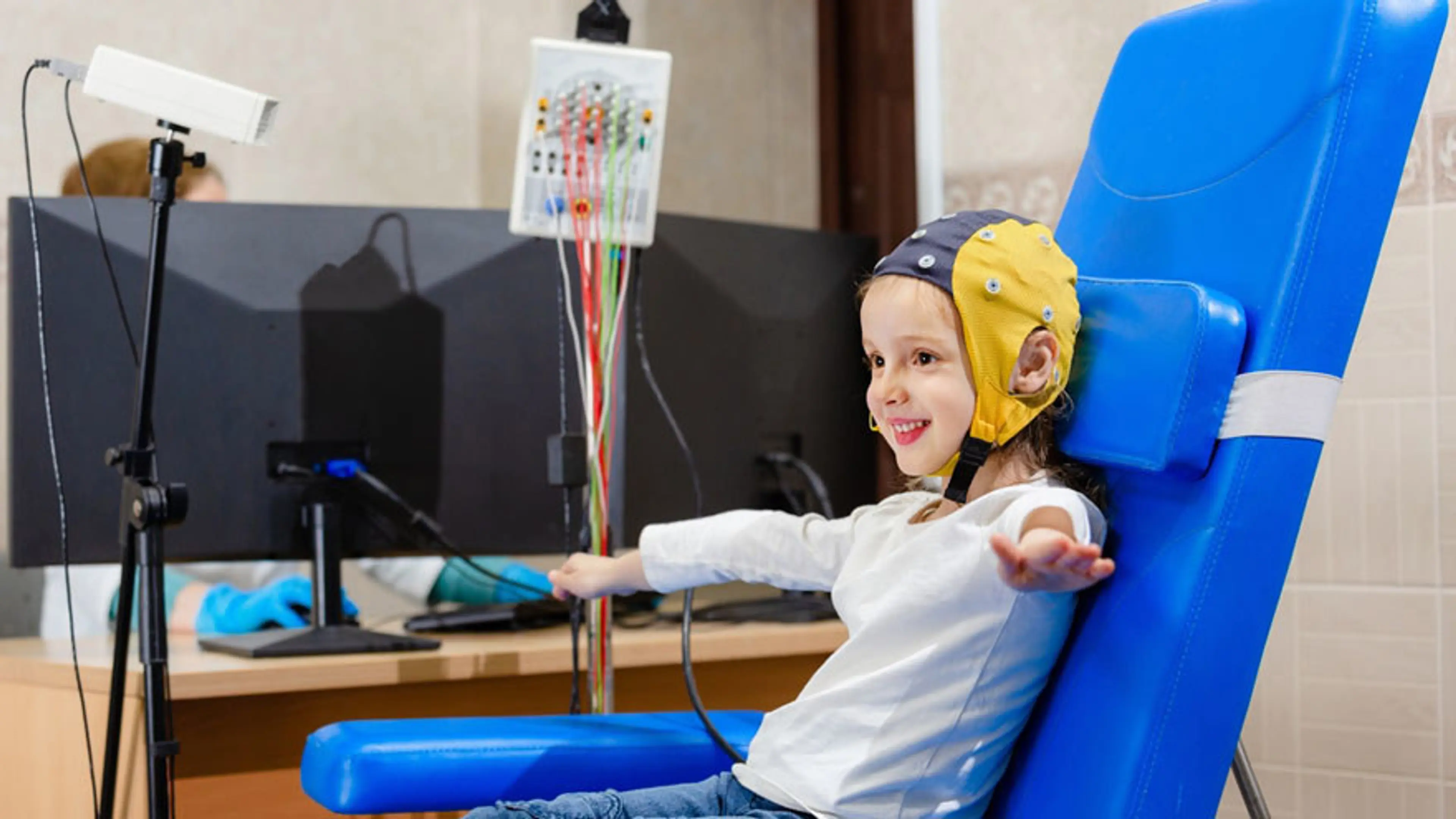
what-is-neurofeedback-reallyAt its core, neurofeedback (also called EEG biofeedback) is a form of brain training. It uses real-time displays of brain activity — captured via electrodes on the scalp — to teach individuals how to self-regulate their brain waves. Over time, this can improve attention, reduce impulsivity, and calm restlessness.
Think of it like this: imagine going to a gym for your brain. Only instead of lifting weights, you're learning to activate and maintain brainwave patterns associated with focus, calm, and control.
For people with ADHD, those brainwave patterns — especially in the prefrontal cortex — are often under- or over-activated. Neurofeedback helps nudge them back into balance through operant conditioning: when your brain shifts into a desired pattern, the system rewards it (usually with a visual or auditory cue). Over repeated sessions, your brain learns to “prefer” those more regulated states.
Why Neurofeedback for ADHD?
why-neurofeedback-for-adhdTo be honest, neurofeedback isn’t the first-line treatment for ADHD — and it shouldn’t be. Medications like methylphenidate (Ritalin) and atomoxetine (Strattera) are often effective and well-studied. But they don’t work for everyone. Some patients experience side effects, or they plateau. Others prefer non-pharmacological approaches altogether, especially parents of young children.
Neurofeedback fills that gap. It's non-invasive, drug-free, and personalized — with sessions tailored to each person’s unique brain activity.
Here at Seoul Psychiatry Gangnam, we’ve seen certain patients respond remarkably well when neurofeedback is added to a treatment plan. In children, improvements in sustained attention and reduced hyperactivity are most common. In adults, many report increased focus, decreased anxiety, and better sleep — all essential for executive function.
What People Often Overlook Is This:
what-people-often-overlook-is-this:ADHD isn’t just about paying attention. It’s about regulating attention. That’s why a child with ADHD can spend hours hyperfocused on a video game but can’t finish ten minutes of homework. Neurofeedback trains the brain not to “force focus,” but to flexibly switch between states of alertness and calm — which is a skill medication alone doesn’t teach.
How Neurofeedback Works: A Closer Look at the Process
how-neurofeedback-works:-a-closer-look-at-the-process
A typical neurofeedback session begins with a quantitative EEG (qEEG) — essentially a brain map. This baseline scan helps identify irregular brainwave patterns that may be contributing to ADHD symptoms.
From there, a clinician sets up a tailored training protocol. During the session:
You sit comfortably with small sensors on your scalp.
A screen shows a game, video, or animation — but here’s the trick: the game only “plays well” when your brain produces target wave patterns.
If your attention slips or brainwaves shift into unhelpful patterns (like excessive theta or low beta activity), the screen dims or the sound distorts.
Your brain, craving the reward, naturally begins to shift back — reinforcing healthier activity.
It’s a subtle, subconscious process. And like any training, it takes repetition. Most programs require 20–40 sessions, done 1–2 times per week.
What Does the Research Say?
what-does-the-research-sayThis is where it gets interesting. While neurofeedback was once considered fringe, decades of research have built a strong case for its use in ADHD — especially in children.
A landmark 2012 meta-analysis published in the Journal of Attention Disorders found that neurofeedback had a “medium to large” effect size in reducing ADHD symptoms. More recently, the European ADHD Guidelines Group acknowledged neurofeedback as a “probably efficacious” treatment — placing it on par with behavioral therapy.
Importantly, results vary. Not everyone benefits equally, and success depends heavily on protocol quality, clinician experience, and patient engagement. Clinics that use standardized assessments, like qEEG and symptom rating scales, tend to yield better outcomes.
At Seoul Psychiatry Gangnam, we combine neurofeedback with psychotherapy, lifestyle coaching, and, when appropriate, medication — because the most effective approach is almost always multi-layered.
Cultural Context: ADHD and Stigma in Korea
cultural-context:-adhd-and-stigma-in-koreaIn Korea, the pressure to conform is intense — whether you're a student or a mid-level manager. Emotional struggles are often internalized, and a diagnosis like ADHD can carry stigma. Parents worry about school performance; adults worry about career impact. As a result, many delay or avoid treatment altogether.
But delaying treatment only entrenches the problem. Adults with undiagnosed ADHD often suffer from burnout, relationship issues, and mood disorders. For children, the condition can morph into low self-esteem or anxiety. That’s why early, non-judgmental intervention is so important.
Neurofeedback, in this cultural context, offers a quiet, empowering alternative. It doesn’t label or medicate — it trains. Many parents find it easier to accept. And for adults who’ve “white-knuckled” their way through life, it can be a relief to finally work with their brain instead of against it.
Who Is a Good Candidate for Neurofeedback?
who-is-a-good-candidate-for-neurofeedback
Neurofeedback may be worth exploring if:
You've been diagnosed with ADHD (or strongly suspect it).
You prefer non-medication options or experience side effects from stimulants.
You want to complement your current therapy with something brain-based.
You struggle with both ADHD and anxiety — which often co-occur.
That said, it’s not a magic bullet. Motivation, consistency, and the right provider matter. Clinics using evidence-based protocols, certified technicians, and qEEG-guided feedback yield significantly better results.
What Real Clinics Know (But Rarely Say Online)
what-real-clinics-know-(but-rarely-say-online)Let’s be honest — neurofeedback isn’t for everyone, and not all providers are equal. At Seoul Psychiatry Gangnam, we’ve observed a few truths that don’t always make it to mainstream websites:
Progress is gradual, not dramatic. Some clients feel changes after 5 sessions. Others take 25. That’s normal.
Parents’ involvement matters. When parents of children with ADHD learn to support the process at home — with routines, feedback, and realistic expectations — neurofeedback works better.
It works best when combined with emotional coaching. Teaching kids and adults to recognize and name their emotional states reinforces the neural changes created by neurofeedback.
Don’t expect perfection. Even with neurofeedback, an ADHD brain will still be an ADHD brain — just better trained. The goal isn’t to erase differences, but to regulate them.
Is Neurofeedback Worth It?
is-neurofeedback-worth-itIf you’re dealing with ADHD — whether as a student, parent, or professional — you’re likely exhausted. Neurofeedback won’t fix everything overnight, but it can help rewire attention from the inside out, offering a sense of control that medication alone may not provide.
In an overstimulated world, learning how to tune your brain is an underrated superpower.
Considering Neurofeedback in Seoul?
considering-neurofeedback-in-seoulIf you're in Korea and looking for integrative ADHD treatment, Seoul Psychiatry Gangnam offers neurofeedback as part of a holistic care model. Led by Dr. Paul J. Woo, our clinic specializes in ADHD, mood disorders, and stress-related conditions — blending cutting-edge neuromodulation with compassionate, long-term support.
We use qEEG brain mapping, clinical tracking, and multi-disciplinary care to ensure that neurofeedback is not just a trend, but a meaningful part of your healing.
Whether you’re a parent seeking answers for your child or an adult finally confronting the possibility of ADHD, we’re here to help — with expertise, empathy, and an open mind.
Final Word
final-wordIf you’ve been feeling overwhelmed, distracted, or mentally “off-track,” it’s worth asking: is your brain just tired — or is it asking for training?
Neurofeedback offers a powerful way to listen, learn, and improve focus from the inside out.